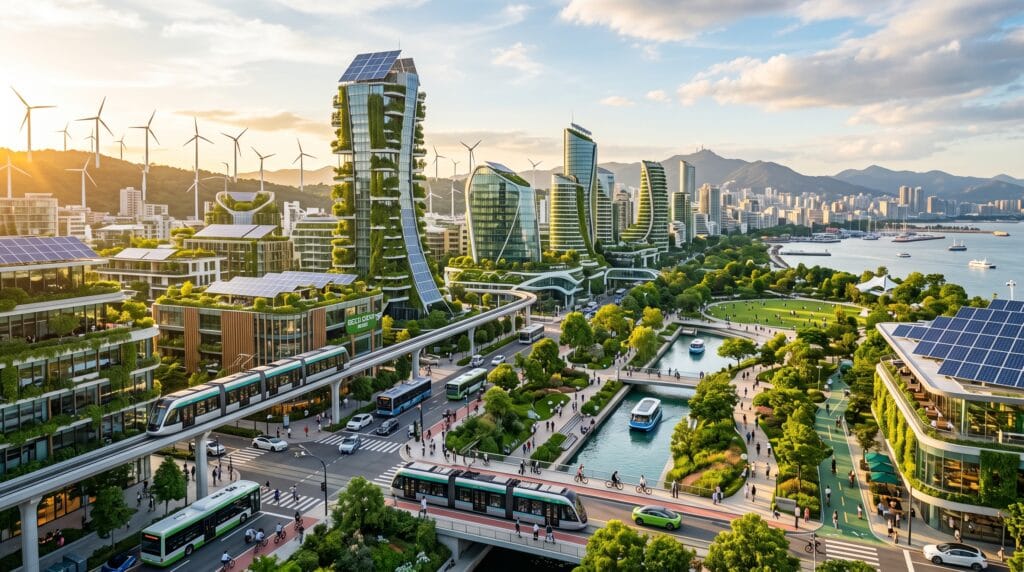
As the world faces growing environmental challenges, technology is playing an increasingly important role in creating sustainable solutions. From renewable energy systems and electric transportation to artificial intelligence and smart resource management, green technology innovations are helping businesses, governments, and communities reduce environmental impact while supporting economic growth.
Sustainability is no longer just an environmental goal, it has become a business priority and a driver of innovation. Organizations worldwide are investing in cleaner technologies that improve energy efficiency, reduce waste, lower carbon emissions, and promote responsible resource management. This guide explores the most significant green technology innovations shaping a more sustainable future in 2026 and beyond.
What Is Green Technology?
Green technology, often called clean technology or environmental technology, refers to products, systems, and processes designed to minimize environmental impact while promoting efficient use of natural resources.
Green technologies typically focus on:
- Renewable energy
- Energy efficiency
- Sustainable manufacturing
- Clean transportation
- Waste reduction
- Water conservation
- Carbon reduction
- Circular economy solutions
The goal is to support economic development while reducing harm to the environment.
Why Green Technology Innovations Matters
Investing in sustainable technologies offers numerous benefits.
Advantages include:
- Reduced greenhouse gas emissions
- Lower energy consumption
- Improved resource efficiency
- Reduced operating costs
- Better environmental compliance
- Increased business resilience
- Enhanced corporate reputation
Sustainable innovation benefits both businesses and society.
12 Green Technology Innovations
1. Renewable Energy Technologies
Renewable energy continues to replace fossil fuel dependence.
Major innovations include:
- Solar photovoltaic systems
- Offshore wind farms
- Advanced hydroelectric power
- Geothermal energy
- Biomass energy
Advances in efficiency and storage are making renewable energy more accessible and reliable.
2. Advanced Battery Storage
Energy storage is essential for maximizing renewable energy use.
Modern battery technologies provide:
- Improved energy density
- Faster charging
- Longer lifespan
- Grid stabilization
- Backup power
Battery innovation supports homes, businesses, and electric vehicles.
3. Smart Energy Grids
Smart grids improve electricity distribution through digital technologies.
Benefits include:
- Real-time monitoring
- Better energy balancing
- Reduced outages
- Improved efficiency
- Integration of renewable energy sources
Smart grids help create more resilient energy systems.
4. Electric Vehicles (EVs)
Electric transportation continues to expand globally.
Benefits include:
- Reduced tailpipe emissions
- Lower operating costs
- Quieter operation
- Improved energy efficiency
- Reduced dependence on fossil fuels
Continued improvements in charging infrastructure and battery technology are supporting wider EV adoption.
5. Green Buildings
Modern sustainable buildings prioritize efficiency.
Features often include:
- Solar panels
- Energy-efficient lighting
- Smart climate control
- Rainwater harvesting
- Sustainable construction materials
- Green roofs
Green buildings can reduce long-term operating costs while improving occupant comfort.
6. Sustainable Manufacturing
Manufacturers are adopting cleaner production methods.
Examples include:
- Energy-efficient equipment
- Waste reduction programs
- Water recycling systems
- Low-emission production
- Sustainable supply chains
Improved manufacturing practices reduce environmental impact while increasing efficiency.
7. Circular Economy Solutions
The circular economy emphasizes keeping products and materials in use for as long as possible.
Strategies include:
- Recycling
- Repair
- Reuse
- Product refurbishment
- Material recovery
- Sustainable product design
These approaches reduce waste and conserve valuable resources.
8. Artificial Intelligence for Sustainability
Artificial intelligence supports environmental management through:
- Energy optimization
- Predictive maintenance
- Smart agriculture
- Waste sorting
- Climate modeling
- Environmental monitoring
AI helps organizations make more informed sustainability decisions.
9. Smart Agriculture
Technology is improving food production while conserving resources.
Innovations include:
- Precision farming
- Soil sensors
- Drone monitoring
- Smart irrigation
- AI-powered crop analysis
- Automated equipment
These solutions can improve yields while reducing water and fertilizer use.
10. Water Conservation Technologies
Water management is becoming increasingly important.
Examples include:
- Smart irrigation systems
- Leak detection
- Water recycling
- Rainwater harvesting
- Efficient filtration systems
Conserving water supports long-term environmental sustainability.
11. Carbon Capture and Storage
Carbon capture technologies aim to reduce atmospheric carbon dioxide emissions by capturing CO₂ from industrial processes and storing or utilizing it.
Potential applications include:
- Industrial facilities
- Power generation
- Cement production
- Chemical manufacturing
While still developing in many regions, carbon capture may complement broader emission reduction efforts.
12. Sustainable Packaging
Businesses are redesigning packaging to reduce waste.
Popular approaches include:
- Biodegradable materials
- Recyclable packaging
- Compostable products
- Minimal packaging
- Reusable containers
Sustainable packaging can reduce environmental impact while meeting changing consumer expectations.
Green Technology Innovations Comparison
| Innovation | Primary Benefit |
|---|---|
| Renewable Energy | Clean electricity generation |
| Battery Storage | Energy reliability |
| Smart Grids | Efficient power distribution |
| Electric Vehicles | Lower transportation emissions |
| Green Buildings | Energy efficiency |
| Sustainable Manufacturing | Reduced waste |
| Circular Economy | Resource conservation |
| AI for Sustainability | Smarter environmental management |
| Smart Agriculture | Efficient food production |
| Water Conservation | Reduced water consumption |
| Carbon Capture | Lower industrial emissions |
| Sustainable Packaging | Waste reduction |
Together, these innovations contribute to a more sustainable economy.
Industries Benefiting from Green Technology
Many sectors are adopting sustainable innovations, including:
- Manufacturing
- Construction
- Transportation
- Agriculture
- Energy
- Retail
- Healthcare
- Logistics
- Information technology
- Real estate
Green technology creates opportunities across virtually every industry.
Helpful Sustainability Tools
| Tool | Purpose |
|---|---|
| ChatGPT | Sustainability research and planning |
| Google Earth Engine | Environmental and geospatial analysis |
| Microsoft Power BI | Sustainability reporting dashboards |
| Tableau | Environmental data visualization |
| ArcGIS | Geographic information systems |
| Notion | Sustainability project management |
| Trello | Team collaboration |
| Google Sheets | Carbon and energy tracking |
| Canva | Sustainability reports and presentations |
| Energy monitoring platforms | Utility consumption analysis |
These tools help organizations monitor environmental performance and support sustainability initiatives.
Challenges Facing Green Technology Innovations
Despite significant progress, several challenges remain:
- High upfront investment costs
- Infrastructure limitations
- Technology adoption barriers
- Supply chain constraints
- Regulatory differences
- Access to critical raw materials
- Skills shortages
Continued innovation and collaboration can help address these challenges over time.
Frequently Asked Questions of Green Technology Innovations
1. What is green technology?
Green technology refers to products, systems, and processes designed to reduce environmental impact, improve resource efficiency, and support sustainable development.
2. Why are green technology innovations important?
They help reduce emissions, conserve natural resources, improve energy efficiency, lower operating costs, and support long-term environmental and economic sustainability.
3. Which industries benefit the most from green technology?
Industries such as energy, transportation, manufacturing, agriculture, construction, logistics, and information technology are increasingly adopting sustainable technologies to improve efficiency and reduce environmental impact.
4. Can small businesses adopt green technology?
Yes. Many small businesses can implement practical solutions such as energy-efficient lighting, cloud-based collaboration, renewable energy where feasible, waste reduction programs, and sustainable packaging without requiring large-scale investments.
Green Technology Innovations Implementation Checklist
- Evaluate current energy usage
- Improve energy efficiency
- Consider renewable energy opportunities
- Reduce waste through recycling and reuse
- Optimize water consumption
- Use sustainable packaging where practical
- Monitor environmental performance
- Train employees on sustainability practices
- Set measurable sustainability goals
- Review and improve initiatives regularly
Best Practices for Adopting Green Technology
To maximize the impact of green technology innovations:
- Begin with measurable sustainability goals aligned with your organization’s operations.
- Prioritize technologies that provide both environmental and operational benefits.
- Monitor energy, water, and material consumption to identify improvement opportunities.
- Integrate sustainability into long-term business planning rather than treating it as a standalone initiative.
- Educate employees about environmentally responsible practices and encourage participation.
- Stay informed about emerging technologies, industry standards, and environmental regulations.
- Continuously evaluate results and refine your sustainability strategy as technologies evolve.
Long-term success comes from combining innovation, responsible resource management, and continuous improvement.
Conclusion on Green Technology Innovations
Green technology innovations are transforming industries by providing smarter, cleaner, and more efficient ways to generate energy, manufacture products, manage resources, and reduce environmental impact. From renewable energy and electric vehicles to artificial intelligence, smart agriculture, and sustainable manufacturing, these technologies are helping build a more resilient and sustainable future. Organizations that invest in environmentally responsible innovation today are better positioned to improve operational efficiency, strengthen their reputation, and contribute to long-term economic and environmental sustainability.
Also Read: “Technology Trends: The Complete Guide to Future Innovations“