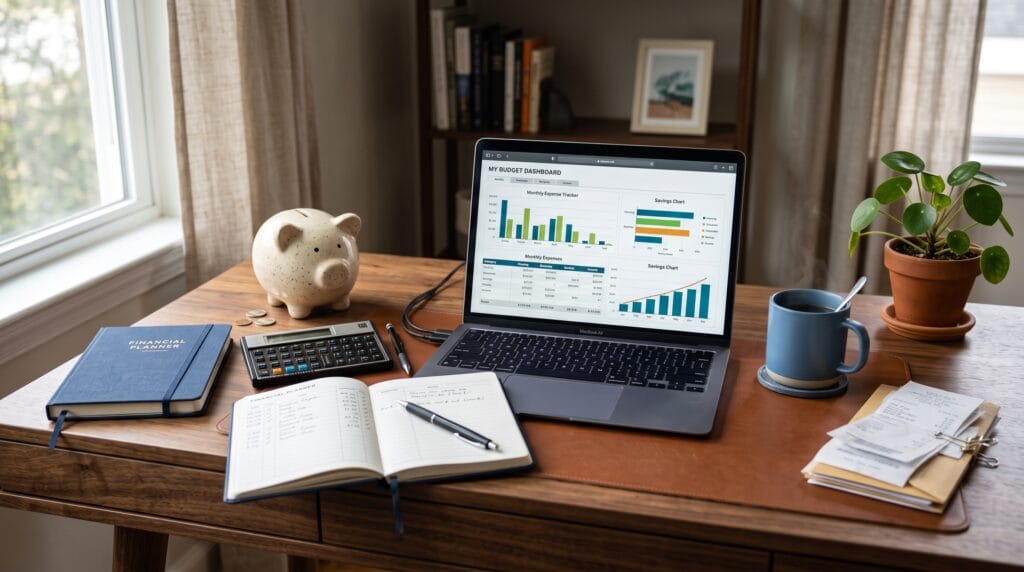
Managing money effectively is one of the most important life skills you can develop. Whether you’re saving for a home, paying off debt, building an emergency fund, or simply trying to reduce financial stress, having a clear budget provides the structure needed to reach your goals. The right budgeting methods help you understand where your money goes and make smarter spending decisions without feeling restricted.
Budgeting isn’t about eliminating every enjoyable expense. Instead, it’s about making intentional financial choices that align with your priorities. With today’s budgeting apps, online banking tools, and financial planning resources, creating and maintaining a budget has become easier than ever. This guide explores the most effective budgeting methods, explains how they work, and helps you choose the best one for your lifestyle.
What Is Budgeting?
Budgeting is the process of planning how you will earn, spend, save, and invest your money over a specific period.
A budget helps you:
- Track income
- Monitor expenses
- Control spending
- Build savings
- Reduce debt
- Prepare for emergencies
- Reach financial goals
A good budget gives every dollar a purpose.
Why Budgeting Matters
A well-planned budget provides many benefits.
Advantages include:
- Better financial control
- Reduced stress
- Increased savings
- Improved spending habits
- Faster debt repayment
- Better emergency preparedness
- Greater confidence in financial decisions
Budgeting supports both short-term needs and long-term financial security.
Budgeting Methods to Help Save Money
1. The 50/30/20 Budget
One of the most popular budgeting methods is the 50/30/20 rule.
Your after-tax income is divided into:
- 50% for needs
- 30% for wants
- 20% for savings and debt repayment
Example
Monthly income: $4,000
- Needs: $2,000
- Wants: $1,200
- Savings/Debt: $800
This method is simple and easy for beginners.
2. Zero-Based Budgeting
With zero-based budgeting, every dollar is assigned a job until your income minus expenses equals zero.
Categories may include:
- Housing
- Food
- Transportation
- Savings
- Investments
- Entertainment
- Insurance
This method provides detailed control over spending.
3. Pay Yourself First
This strategy prioritizes saving before spending.
Each payday:
- Transfer money into savings.
- Invest toward long-term goals.
- Spend the remaining balance on expenses.
Automating savings helps build wealth consistently.
4. Envelope Budgeting
Traditionally, cash is divided into spending categories using envelopes.
Examples:
- Groceries
- Dining
- Entertainment
- Transportation
- Shopping
Once an envelope is empty, spending stops for that category.
Many budgeting apps now offer digital versions of this system.
5. Values-Based Budgeting
This approach aligns spending with your personal priorities.
Ask yourself:
- What matters most to me?
- Which expenses improve my life?
- What purchases can I reduce?
Spending intentionally often leads to greater satisfaction and less impulse buying.
6. Reverse Budgeting
Instead of tracking every expense, focus first on:
- Savings
- Investments
- Retirement contributions
Once these goals are funded, the remaining money can be spent more flexibly while staying within your financial limits.
7. Percentage-Based Budgeting
Customize spending percentages to fit your goals.
Example:
- Housing: 30%
- Transportation: 15%
- Food: 15%
- Savings: 20%
- Entertainment: 10%
- Miscellaneous: 10%
This flexible system works well for varying income levels.
How to Choose the Right Budgeting Method
Consider:
- Your income stability
- Financial goals
- Spending habits
- Debt level
- Saving priorities
- Personal preferences
The best budget is one you can realistically maintain over time.
Tips to Save More Money
No matter which budgeting methods you use, these habits can increase your savings:
- Track every expense
- Automate savings
- Avoid unnecessary subscriptions
- Cook more meals at home
- Compare prices before buying
- Set monthly spending limits
- Review your budget regularly
- Build an emergency fund
Small changes can create meaningful long-term results.
Common Budget Categories
| Category | Examples |
|---|---|
| Housing | Rent, mortgage, utilities |
| Food | Groceries, dining out |
| Transportation | Fuel, public transit, maintenance |
| Insurance | Health, home, auto |
| Savings | Emergency fund, investments |
| Debt | Credit cards, loans |
| Entertainment | Streaming, hobbies, travel |
| Personal | Clothing, healthcare, gifts |
Organizing expenses into categories makes tracking much easier.
Budgeting Apps and Tools
| Tool | Purpose |
|---|---|
| YNAB (You Need A Budget) | Zero-based budgeting |
| EveryDollar | Monthly budgeting |
| Monarch Money | Household budgeting and planning |
| PocketGuard | Spending insights |
| Goodbudget | Digital envelope budgeting |
| Google Sheets | Custom budgeting |
| Microsoft Excel | Budget templates |
| Notion | Financial planning |
| ChatGPT | Budget planning and financial organization |
| Banking Apps | Expense tracking and alerts |
Choose tools that match your preferred budgeting style.
Common Budgeting Mistakes
Avoid these common errors:
- Not tracking expenses
- Setting unrealistic goals
- Forgetting irregular bills
- Ignoring emergency savings
- Spending without a plan
- Giving up after one mistake
- Never reviewing the budget
- Underestimating small purchases
Budgeting is a long-term habit, not a one-time activity.
Frequently Asked Questions of Budgeting Methods
1. What is the easiest budgeting method?
The 50/30/20 rule is often recommended for beginners because it is simple, flexible, and easy to understand.
2. Which budgeting method helps save the most money?
There is no single best method. Zero-based budgeting and paying yourself first are especially effective for people who want tighter control over spending and consistent savings.
3. How often should I review my budget?
Review your budget at least once a month. Weekly check-ins can also help you stay on track and make adjustments before small issues become larger problems.
4. Do I need budgeting software?
No. You can use a notebook, spreadsheet, or budgeting app. The most important factor is choosing a system you’ll use consistently.
Monthly Budget Checklist
- Track all income
- List fixed expenses
- Estimate variable expenses
- Set savings goals
- Plan debt payments
- Review subscriptions
- Monitor weekly spending
- Adjust categories as needed
- Build an emergency fund
- Review progress every month
Best Practices for Long-Term Financial Success
To get the most from your budgeting methods:
- Set clear financial goals before creating your budget.
- Automate savings and bill payments whenever possible.
- Build an emergency fund covering three to six months of essential expenses.
- Review spending regularly and adjust your budget as your income or priorities change.
- Avoid comparing your financial journey to others.
- Celebrate milestones, such as paying off debt or reaching savings goals.
- Stay consistent, small improvements made every month often lead to significant financial progress over time.
Successful budgeting is about building sustainable habits rather than striving for perfection.
Conclusion on Budgeting Methods
Choosing the right budgeting methods can transform the way you manage money and help you achieve greater financial confidence. Whether you prefer the simplicity of the 50/30/20 rule, the precision of zero-based budgeting, or the flexibility of values-based planning, the key is finding a system that fits your lifestyle and sticking with it consistently. By tracking expenses, prioritizing savings, controlling unnecessary spending, and reviewing your progress regularly, you can reduce financial stress, build long-term wealth, and move closer to your personal financial goals.
Also Read: “25 Budgeting Tips to Save More Money Every Month“